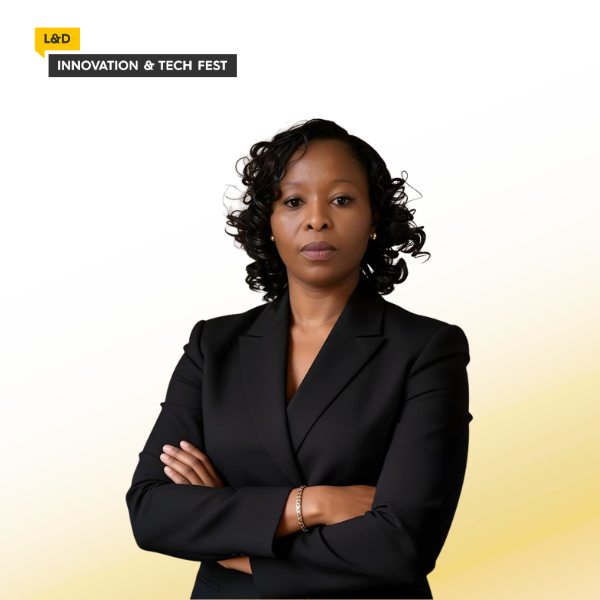
The Intelligence Paradox: Upskilling and Reskilling for a World That No Longer Rewards What You Know
We are living in an age where intelligence is in abundance. Artificial intelligence, automation, and rapidly evolving technologies have made information and capability more accessible than ever before, yet this abundance has also fundamentally disrupted what it means to be skilled. The gap between what employees know today and what organizations need tomorrow has never been wider, and the rules of professional development have changed.
In this new landscape, upskilling and reskilling are no longer simply about acquiring new tools or technical know-how. The real frontier is the ability to think critically, to interrogate, analyze, and evaluate the very skills we hold. When intelligence is no longer scarce, the human differentiator is not what you know, but how deeply and rigorously you can engage with what you know. Critical thinking, analytical reasoning, and the capacity to question established practices are fast becoming the most valuable competencies of our time.
This abstract examines how organizations and individuals must shift from a knowledge-accumulation model of development to one rooted in cognitive agility. It explores the distinction between upskilling (advancing existing competencies) and reskilling (building entirely new capabilities), while arguing that both must now be anchored in higher-order thinking skills rather than task-based proficiency alone.
Drawing on over two decades of experience leading learning and talent development across multinational organizations, this work presents a practical framework for talent development that is continuous, adaptive, and critically engaged, one that builds organizational resilience while empowering individuals to not just keep up with change, but to interrogate and shape it.
The central question this work poses is: In an age where intelligence is abundant, are we developing people who can think or simply people who can do?
Three Tangible Learnings
Learning 1:
A clear framework for distinguishing between upskilling and reskilling, and how to apply both strategically within their organizations to build future-ready workforces that go beyond task-based proficiency.
Learning 2:
An understanding of why critical thinking, analytical reasoning, and cognitive agility are now the most valuable human competencies in an age of abundant intelligence, and how to cultivate these capabilities at both individual and organizational level.
Learning 3:
Practical insights on how to shift learning and development strategies from a knowledge-accumulation model to one that develops people who can interrogate, evaluate, and shape the skills landscape rather than simply respond to it.